
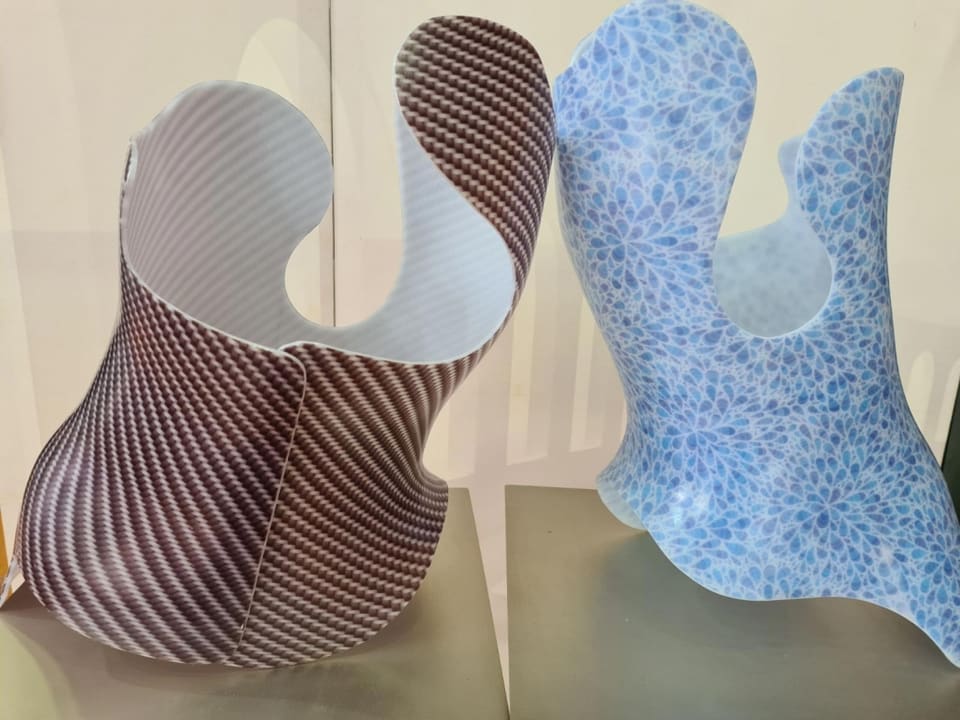
Scoliosis braces: everything you need to know (types, wearing hours, cost & EOPYY)
A guide for parents and teenagers: what a scoliosis brace is, Boston, Chêneau and asymmetric types, how many hours a day it is worn, living with it, cost and EOPYY.
From the first signs to the brace: what parents need to know about scoliosis, when to see a doctor and how the process works, plus all our articles on scoliosis.
A scoliosis diagnosis in a child or teenager raises a lot of questions. What does it mean? Will they need a brace? How will they wear it at school? On this page, Hlamidis Orthopaedic Center brings together what you need to know as a parent, from the first signs to working with the doctor and the workshop, together with all our articles on scoliosis.
Scoliosis is a sideways curve of the spine and usually first appears between early childhood and adolescence. Parents are often the first to notice something different about their child's posture. Look out for whether:
These signs do not necessarily mean scoliosis, but they are a reason to talk to your paediatrician or an orthopaedic specialist.
If you notice any of the above, book an appointment with your paediatrician or an orthopaedic specialist. The doctor will examine your child (for example with the forward bend test, known as Adam's test) and, if needed, request imaging to assess the angle and type of the curve. Based on this, they decide whether monitoring is enough or whether treatment is needed, such as a scoliosis brace.
The main purpose of a brace is to stop the curve from getting worse while the child grows, so that, where possible, surgery can be avoided. That is why an early assessment by the doctor matters.
A brace can only help when it is worn for the hours the doctor has prescribed, and for a child or teenager that is not always easy. Talk openly with them about why they need it and encourage them during the first weeks of getting used to it. If you notice skin irritation or discomfort, let us know straight away so that we can check the fit.
Modern braces, such as the Boston type, are light and thin and can be worn under clothing, and they can come in colours or patterns your child likes.
EOPYY (ΕΟΠΥΥ), Greece's national health insurance organisation, reimburses custom scoliosis braces for people insured in Greece, with a doctor's prescription and a 25% co-payment. Under Government Gazette (ΦΕΚ) B' 1079/2022, the maximum reimbursable price including VAT is €595 for a Boston brace and €669 for a Chêneau brace, and for children up to age 16 replacement every 6 months is provided for. See the full EOPYY process and requirements. The information is correct as of the date this page was last updated (October 2026). If you are not insured in Greece, EOPYY reimbursement does not apply; you can pay privately, and any cover depends on your own insurer's rules – contact us and we will give you the information you need for your case.
For the types of brace (Boston, asymmetric dynamic braces and others) and how they differ, read our detailed guide “Everything you need to know about scoliosis braces”. To book an appointment in Thessaloniki, contact us on +30 2310 282 894.
A guide for parents and teenagers: what a scoliosis brace is, Boston, Chêneau and asymmetric types, how many hours a day it is worn, living with it, cost and EOPYY.
Scoliosis usually first appears between early childhood and adolescence. Most cases are idiopathic, meaning the cause is unknown, while there is also congenital scoliosis, where abnormalities of the spine are present from birth. Because every case of scoliosis is different, the assessment is always made by the treating physician.
The wearing hours are set by the treating physician, depending on the child's age and the angle and type of scoliosis. A Boston-type brace, for example, can be worn under clothing for up to 23 hours a day. Sticking to the schedule the doctor sets makes a big difference to the outcome.
There is no single result that applies to everyone. The main purpose of a brace is to stop the curve from getting worse while the child grows, so that, where possible, surgery can be avoided. The result depends on age, the type of scoliosis and correct use. Discuss with your doctor what you can expect.
As your child grows, the brace needs replacing. Under Government Gazette (ΦΕΚ) B' 1079/2022, for Boston and Chêneau braces EOPYY provides for replacement every 6 months up to age 16 and every year from 16 to 18, with a 25% co-payment, for people insured in Greece. See all EOPYY requirements.
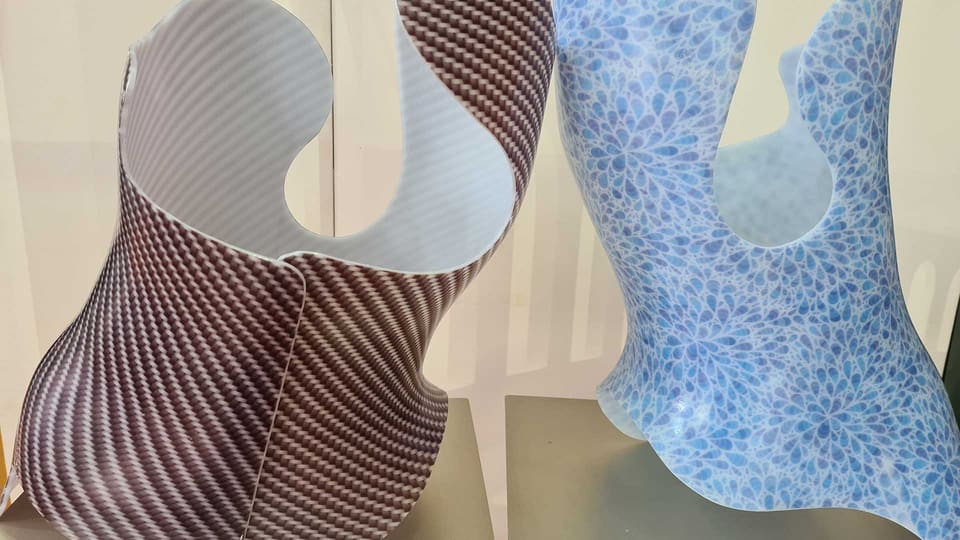
We make custom Boston-type scoliosis and kyphosis braces and asymmetric Chêneau-type braces, measured with a scanner and always in close cooperation with your child's treating physician.
A guide for parents and teenagers: what a scoliosis brace is, Boston, Chêneau and asymmetric types, how many hours a day it is worn, living with it, cost and EOPYY.
Spinal braces and upper- and lower-limb orthoses, made to your own measurements by our certified prosthetist-orthotists, always in line with your treating physician's instructions.
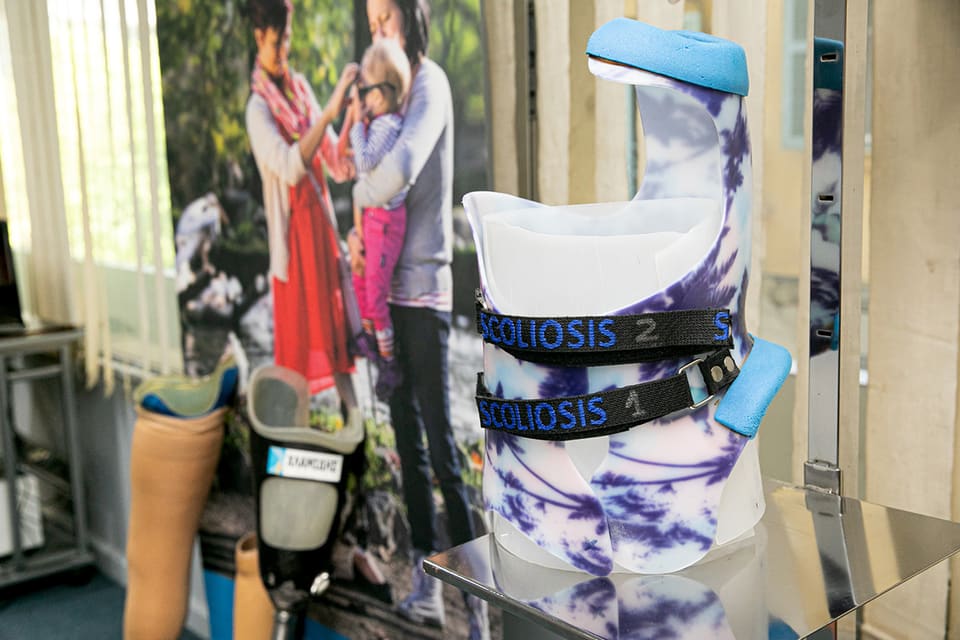
Who is entitled to EOPYY reimbursement in Greece, the steps involved, the documents you need and the maximum amounts set by the Government Gazette for prostheses, braces and orthoses.

Call us, send us a message or visit us at Egnatia 101, in the centre of Thessaloniki, Greece. We will help you with appointments, EOPYY reimbursement and the right solution for you.








Call us on +30 2310 282 894 to book an appointment at Egnatia 101, Thessaloniki.
Settings are saved on your device. Accessibility statement