

Ottobock C-Leg 4: microprocessor knee for safe, confident walking
Ottobock’s C-Leg is one of the most widely used microprocessor knees. It adapts to the way you walk in real time and supports you if you stumble.
Microprocessor knees and feet from Ottobock and Össur that adapt to every step. Find out how they work, who they are suitable for and how the fitting process works.
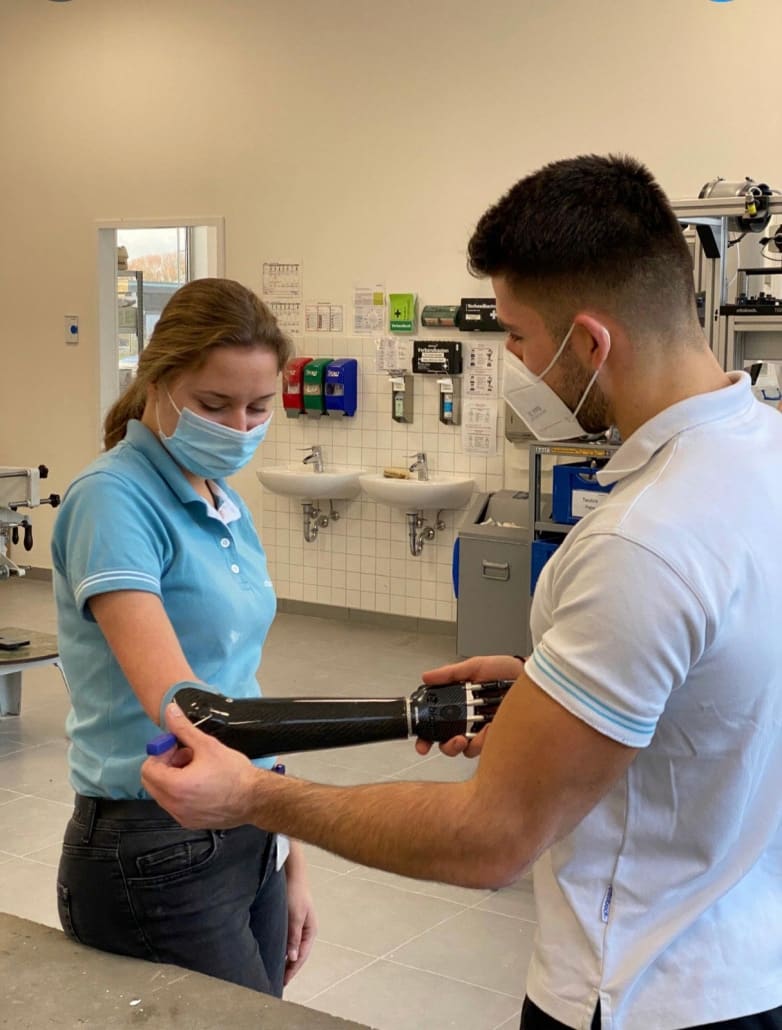
The word “bionic” combines biology and electronics: it describes technologies that mimic the way the human body works, using sensors, microprocessors and motors. In prosthetic limbs, bionic technology means knees, ankles and hands that “understand” how you are moving and respond in real time. At Hlamidis Orthopaedic Center we fit bionic systems from Ottobock and Össur, with assessment, socket fabrication, set-up and training at our workshop in Thessaloniki.
A mechanical knee behaves the same way all the time: it is adjusted once and always works in the same way. A microprocessor knee (MPK) uses sensors to measure the angle, load and speed of movement continuously, and adjusts its resistance with every step. So when you stumble, it increases resistance to support you; when you go down stairs or ramps, it bends in a controlled way; and when you change pace, it keeps up with your speed. For the user, the result is more safety and less need to “think about” every step.
| System | Manufacturer | What it is | Who it is for |
|---|---|---|---|
| C-Leg 4 | Ottobock | Hydraulic microprocessor knee | Above-knee prosthesis users who want safety and confidence when walking day to day |
| Genium X4 | Ottobock | Next-generation bionic knee with an extensive set of sensors | Users aiming for a more natural gait, step-over-step stair climbing and a wide range of activities |
| Rheo Knee | Össur | Microprocessor knee using magnetorheological fluid | Users with low to moderate activity levels (K2–K3) |
| Power Knee | Össur | Active, motor-powered knee | Users who need active assistance, e.g. when rising from a chair or on stairs |
| Proprio Foot | Össur | Prosthetic foot with a microprocessor-controlled ankle | Below-knee or above-knee prosthesis users who want the foot to adapt to slopes and stairs |
For a detailed comparison, read our article bionic knees: C-Leg, Genium, Rheo Knee and Power Knee.
For the upper limb, myoelectric prostheses are driven by the electrical signals produced by the muscles of the residual limb. Modern pattern-recognition systems use artificial intelligence algorithms so that the prosthesis “learns” from the user which movement they want to make. Hands such as Ottobock’s BeBionic and Össur’s i-Limb Quantum move each finger individually. See our section on upper-limb prosthetics.
A bionic knee is not the right solution for everyone, and the “most expensive” option is not always the best one. During the assessment we look at:
The final choice is made together with your doctor.
We start by making a socket tailored to you, because without a good fit no knee can perform as it should. We then set up the system for your gait using the manufacturer’s software and train you in our dedicated prosthetic training area: walking, stairs, ramps and sitting down. Follow-up appointments allow further adjustments as you get used to what your new limb can do. Ioannis Hlamidis has trained at the Ottobock Academy.
The price of a bionic system depends on the model, its configuration and the other components of the prosthesis. EOPYY (ΕΟΠΥΥ), Greece’s national health insurance organisation, reimburses people insured in Greece for prosthetic components according to the categories and maximum prices in its price list (Government Gazette (ΦΕΚ) B' 1079/2022), with a co-payment by the insured person of, as a rule, 25%. The cost of a bionic knee usually exceeds the amount for the corresponding category, so there is a difference that the patient pays. We will tell you the exact amount in your case. See also our page on EOPYY reimbursement. If you are not insured in Greece, EOPYY reimbursement does not apply; you can pay privately, and any cover depends on your own insurer’s rules — contact us and we will give you the information you need for your case. The EOPYY information is correct as of the date this page was last updated (October 2026).
Ottobock’s C-Leg is one of the most widely used microprocessor knees. It adapts to the way you walk in real time and supports you if you stumble.

The Genium is Ottobock’s most advanced bionic knee, designed to come as close as possible to natural walking: step-over-step stairs, obstacles, slopes and walking backwards.
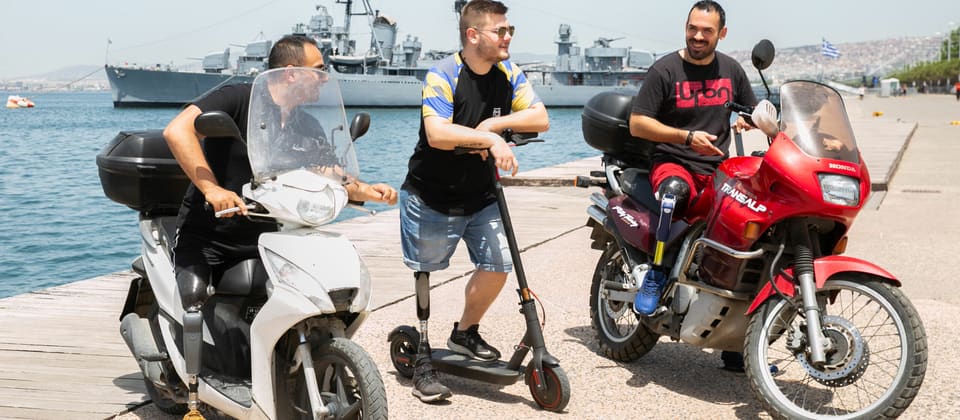
Össur’s Rheo Knee is a microprocessor knee that “learns” the way you move and adapts automatically, for comfortable walking at any speed, on slopes and on steps.
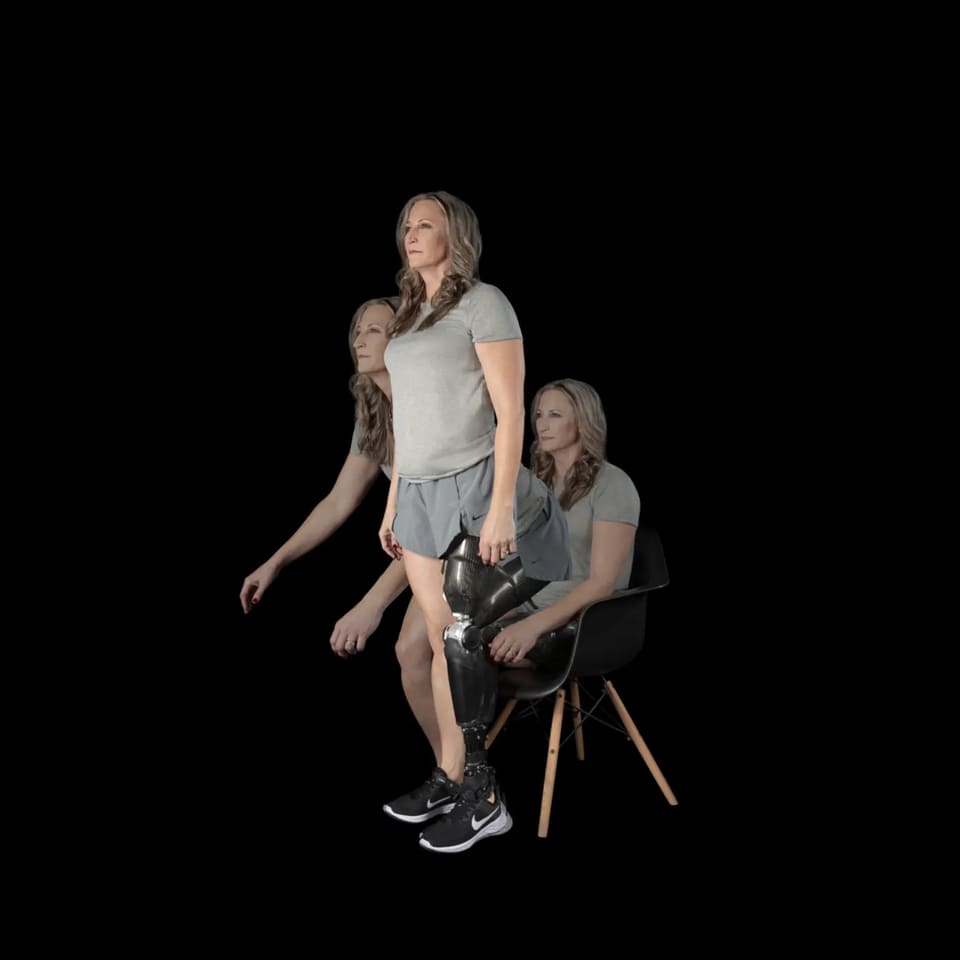
Össur’s Power Knee is a motor-powered microprocessor knee: it does not just control movement, it adds power when you rise from a chair, walk and climb stairs.
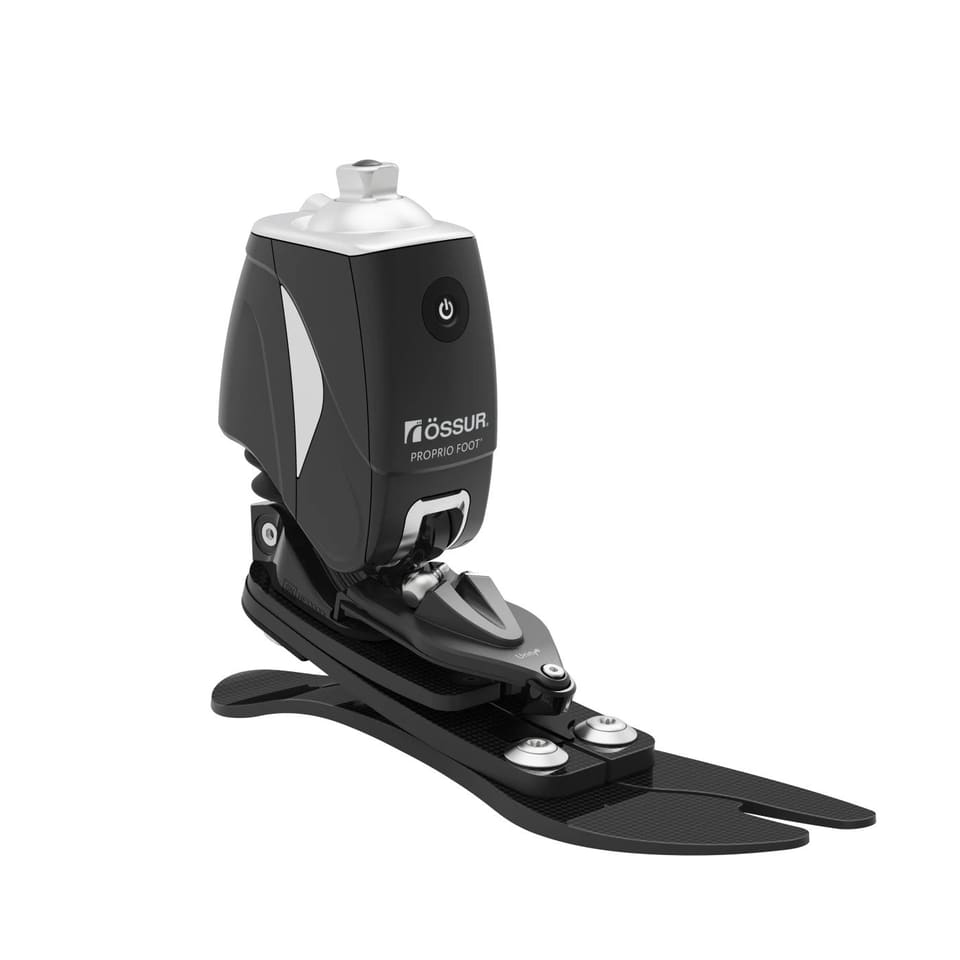
Össur’s Proprio Foot is a prosthetic foot with a microprocessor-controlled ankle: it lifts the toes with every step and adapts to ramps, stairs and different shoes.
Bionics combines biology and electronics: technologies that mimic how the human body works. A bionic prosthetic limb has sensors and a microprocessor, so it can detect how the user is moving and adapt in real time, unlike a mechanical limb, which always works in the same way.
The price depends on the system (knee or foot), the model, its configuration and the other components of the prosthesis. Because every case is different, we only give a price after an assessment, with a detailed proposal and a calculation of the amount covered by EOPYY for people insured in Greece. See also our guide on how much a prosthetic leg costs.
EOPYY reimburses prosthetic components for people insured in Greece according to the categories and maximum prices in its price list. This is not full cover for a bionic knee: its cost usually exceeds the category amount and the difference is paid by the patient. If you are not insured in Greece, EOPYY does not apply. Contact us and we will check what applies in your case.
Yes, bionic knees and feet have a rechargeable battery. How long it lasts varies by system and depending on use; for most models, charging overnight is enough. You can check the battery level through the manufacturer’s smartphone app.
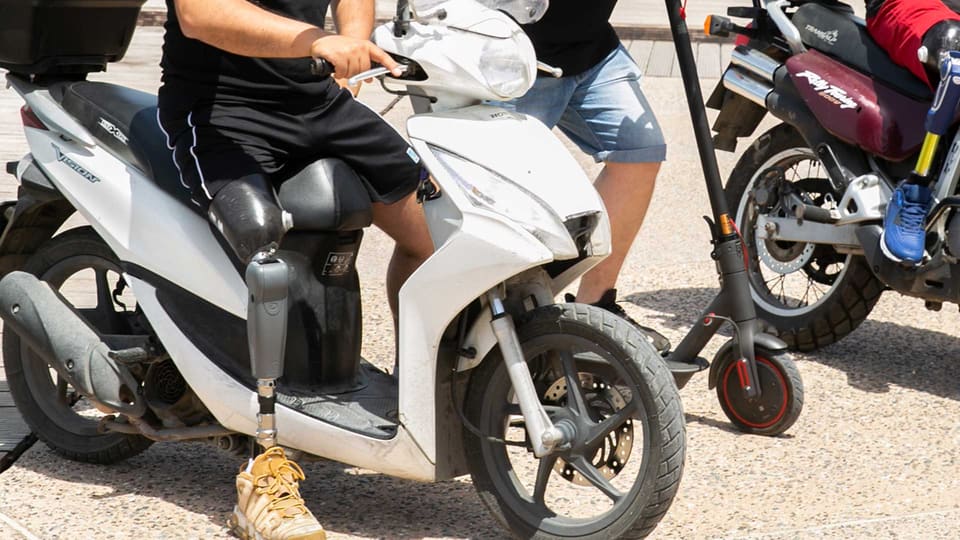
Microprocessor knees look alike, but they are not the same. We compare the C-Leg, Genium X3, Rheo Knee and Power Knee using manufacturers’ data, and explain cost and EOPYY.
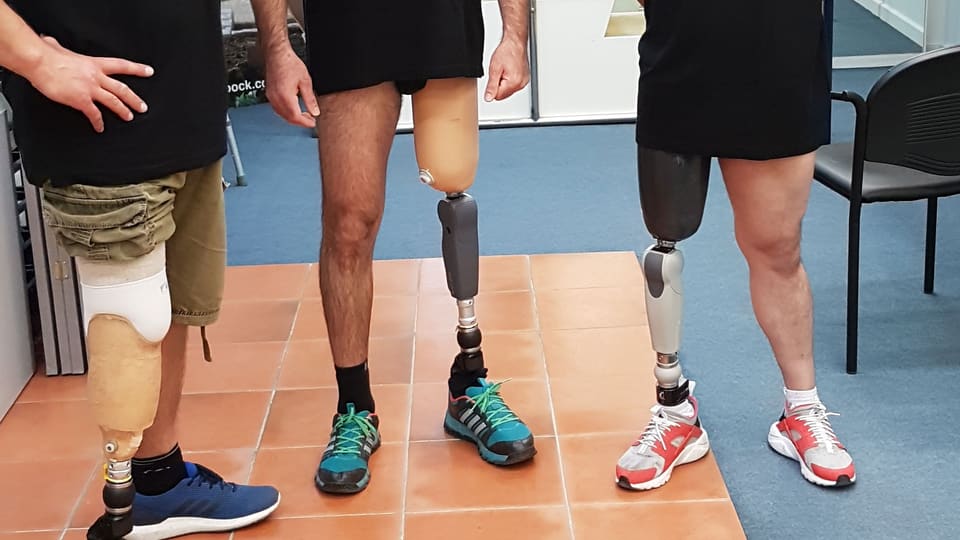
Below-knee and above-knee prostheses, knee and hip disarticulation, silicone partial-foot prostheses: the right prosthetic leg for your level of amputation and the way you live.
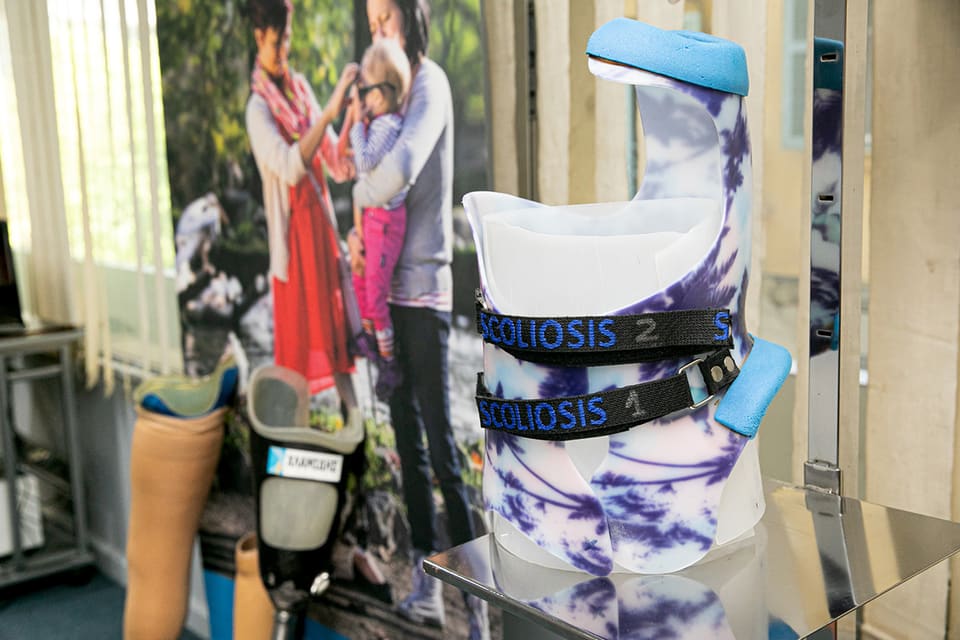
Who is entitled to EOPYY reimbursement in Greece, the steps involved, the documents you need and the maximum amounts set by the Government Gazette for prostheses, braces and orthoses.









Book an assessment on +30 2310 282 894. We will explain your options honestly and what EOPYY covers if you are insured in Greece.
Settings are saved on your device. Accessibility statement