
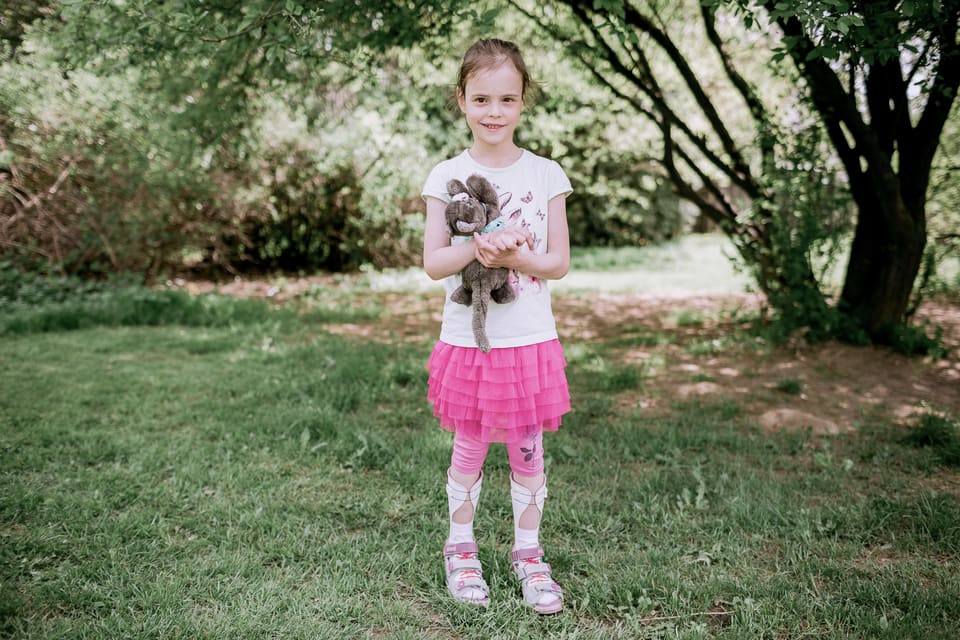
3D-printed paediatric AFO and SMO braces
Thin, lightweight ankle-foot braces for children, designed from a 3D scan and printed on a 3D printer, so that your child can feel the difference with every step.
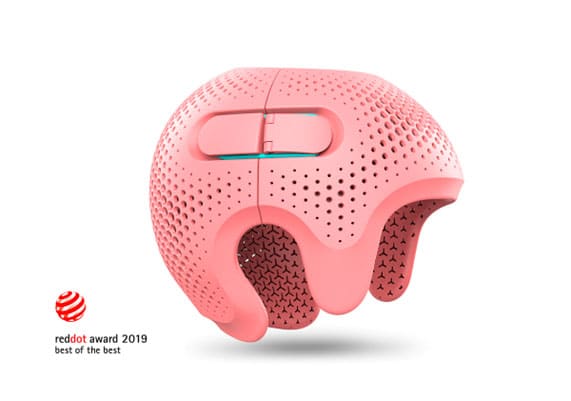
TaLee is a 3D-printed cranial remoulding helmet for babies. It is light, thin and perforated, so that your baby can wear it comfortably throughout treatment.
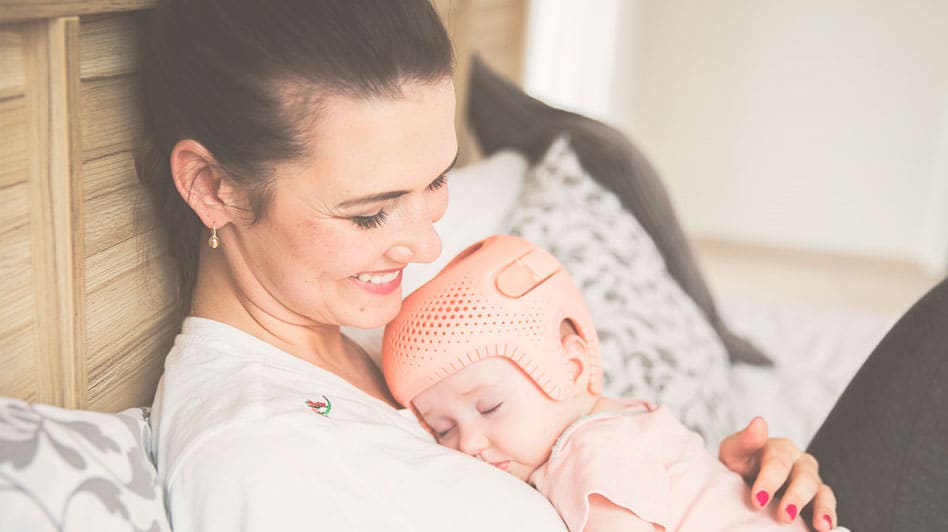
A misshapen head, plagiocephaly or “flat head syndrome”: the name may change, but parents’ concern is the same. When your doctor recommends a plagiocephaly helmet, at Hlamidis Orthopaedic Center we make the TaLee, a 3D-printed cranial remoulding helmet that offers improved comfort, an attractive look and gentle care for your baby.
Not every baby with a flat spot on the head needs helmet therapy. The diagnosis and the decision to use a helmet are made by your paediatrician or a specialist doctor (e.g. a paediatric neurosurgeon), who also sets the length of treatment. We take care of making the helmet and monitoring its fit, working closely with your doctor.
If you notice that your baby’s head is flat in one spot or that its shape looks asymmetrical from above, talk to your paediatrician about it at your next visit.
Positional plagiocephaly often develops when a baby rests their head on the same spot for many hours. In many cases the doctor first suggests changes to the baby’s position or exercises, and a helmet comes as the next step when the doctor considers it necessary.
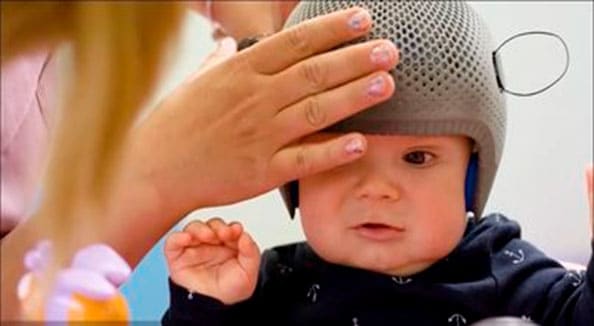
How many hours a day your baby wears the helmet is decided by the doctor. At handover, we show you how to put it on and take it off, how to clean it and what to look out for on your baby’s skin. If you notice redness that does not fade, or that the helmet does not sit as it did before, call us so that we can check it before the next scheduled appointment.
Bring your doctor’s recommendation or prescription and any test results you have been given. If you have photos of your baby’s head taken on different dates, these can also help us discuss how things have developed.
The cost depends on the diagnosis and the follow-up programme set by the doctor. To find out whether and how reimbursement for the helmet may be possible from EOPYY (ΕΟΠΥΥ), Greece’s national health insurance organisation, which applies to people insured in Greece, contact us so that we can check what applies in your case. If you are not insured in Greece, EOPYY reimbursement does not apply; you can pay privately, and any cover depends on your own insurer’s rules – contact us and we will give you the information you need for your case. This information is valid as of the date of the last update. See also our page on EOPYY reimbursement.
See all our 3D printing solutions, such as our paediatric AFO and SMO braces. To book an appointment, call +30 2310 282 894 or contact us; we will patiently answer all your questions.
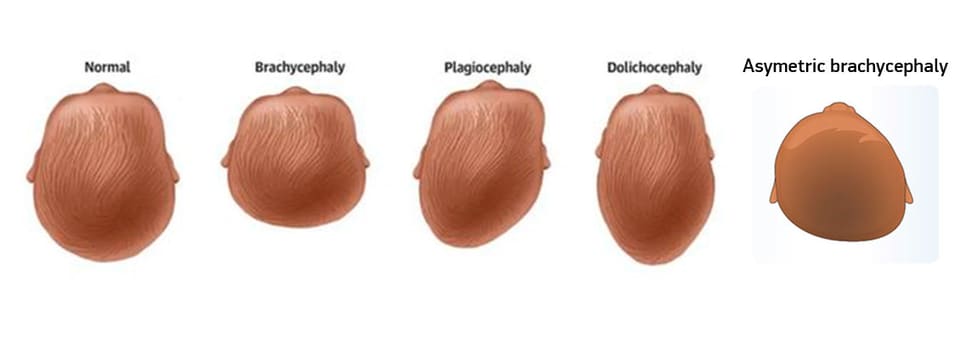
Brachycephaly is a head shape that is wide and short, with flattening across the whole back of the head. When it is combined with asymmetry, it is called asymmetrical brachycephaly. The diagnosis and the need for treatment are assessed by your paediatrician or a specialist doctor.
Not every baby with plagiocephaly needs a helmet. The decision is made by your paediatrician or a specialist doctor, based on the examination and your baby’s age. If a helmet is recommended, we make it to fit your baby and monitor its fit in collaboration with the doctor.
The TaLee helmet is designed for comfort: it is thin, light and perforated, so that it is ventilated and sweating is reduced. Its design aims to help your baby get used to it quickly. At the regular check-ups we make any adjustments needed and answer all your questions about everyday use.
After the assessment, the measurements and the handover, which takes place on the same day as the fitting, we schedule four more visits for adjustments and to monitor progress. The overall length of treatment is set by the doctor, depending on your baby’s age and the progress seen at the check-ups.
We are a contracted provider of EOPYY, Greece’s national health insurance organisation, for people insured in Greece. Because cover depends on the diagnosis and current legislation, contact us on +30 2310 282 894 so that we can check what applies in your case before you start. See also our page on EOPYY reimbursement.
Thin, lightweight ankle-foot braces for children, designed from a 3D scan and printed on a 3D printer, so that your child can feel the difference with every step.
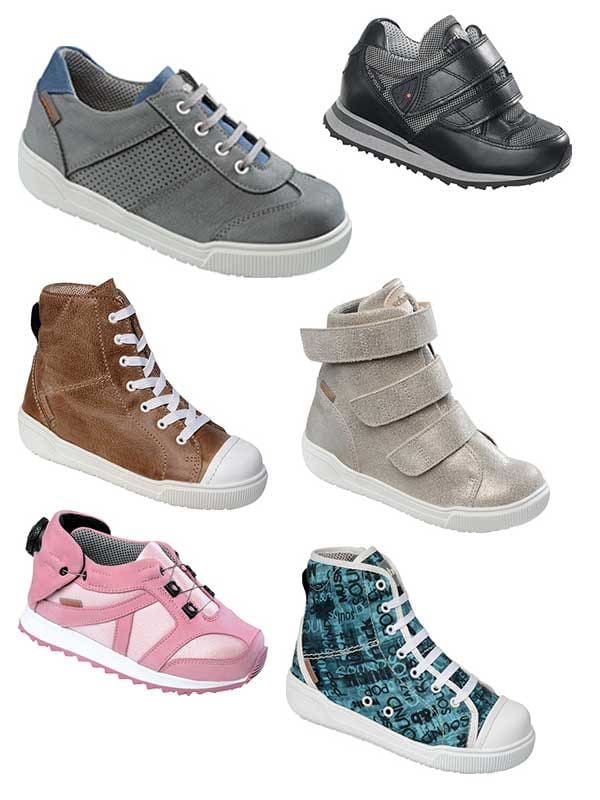
Orthopaedic and comfort shoes for children with conditions such as flat feet, with a foot scan and custom insoles, always following the advice of the paediatric orthopaedic surgeon.




Bring your doctor’s recommendation and we will explain the whole process. Call +30 2310 282 894.
Settings are saved on your device. Accessibility statement