03The steps from amputation to your first step
1. Caring for the residual limb after surgery
In the first weeks the residual limb is usually swollen. We can supply special graduated compression socks that help shape it, so that the prosthesis fits better later on. You will find detailed steps in our guide after amputation.
2. First meeting with the prosthetist
Our prosthetist gets to know you, assesses your strength and mobility and discusses your everyday needs with you. This is the moment to talk openly about your expectations and concerns.
3. Initial (temporary) prosthesis
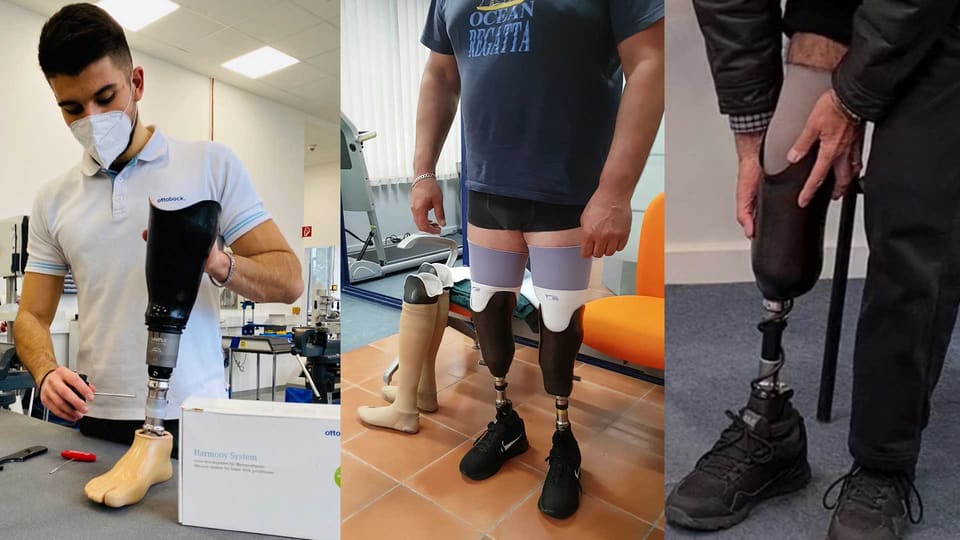
Once the residual limb has healed sufficiently, we take measurements and a cast and make the temporary prosthesis. During the first months the necessary adjustments are made so that we achieve a good fit before the definitive socket, which is custom-made from materials suited to you. We also show you how to put on and look after your prosthesis.
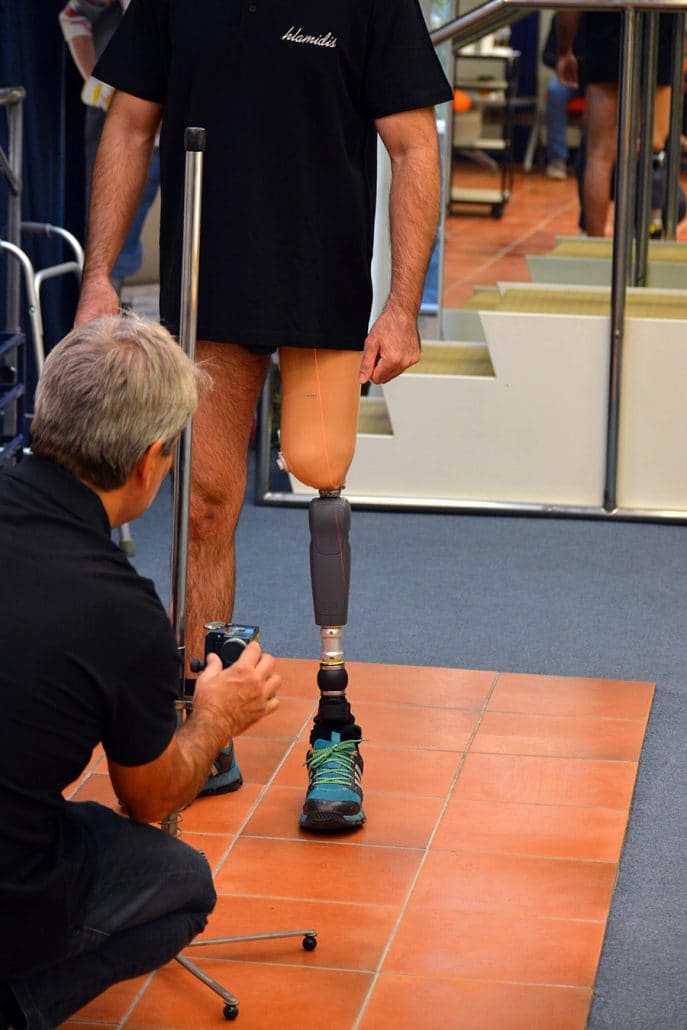
4. Gait training and physiotherapy
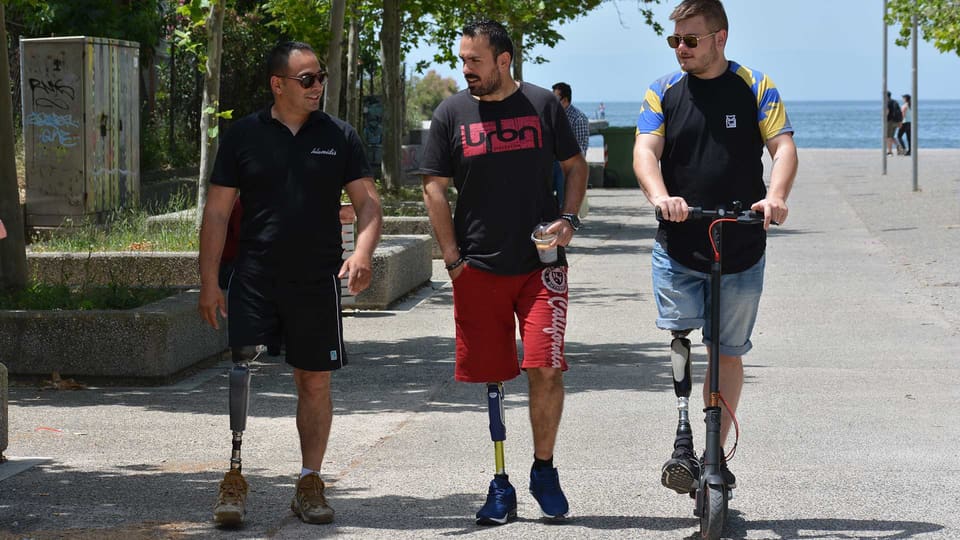
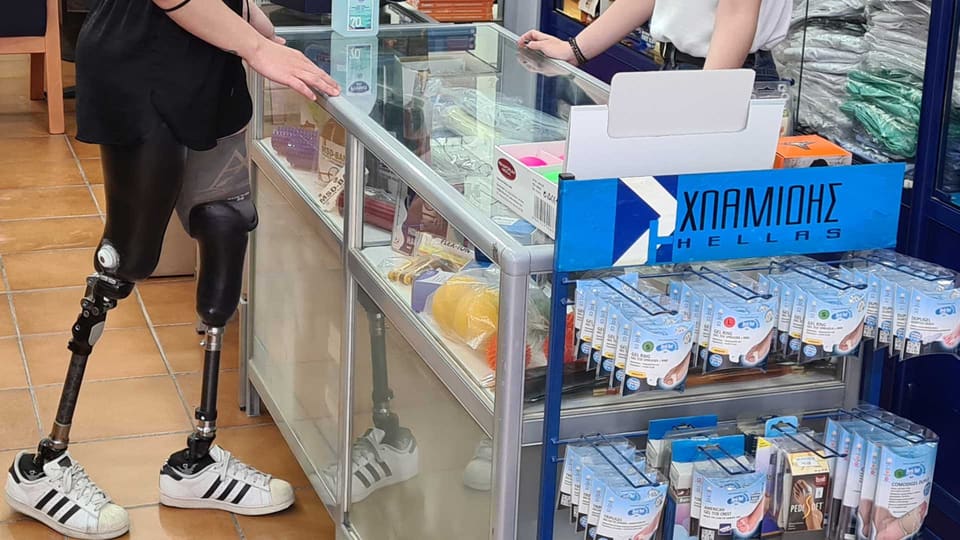
Your doctor, our prosthetist and your physiotherapist help you use the prosthesis in everyday life: walking on the flat, uphill and downhill, on stairs and, when you are ready, more demanding activities. Our premises include a dedicated area for learning to use a prosthetic limb. Our guide to your first prosthesis also covers the early stages of getting moving again.
5. Aftercare
As your residual limb changes, we make adjustments, replace the socket when needed or upgrade components as your activity increases. We recommend a check-up at least every six months.