
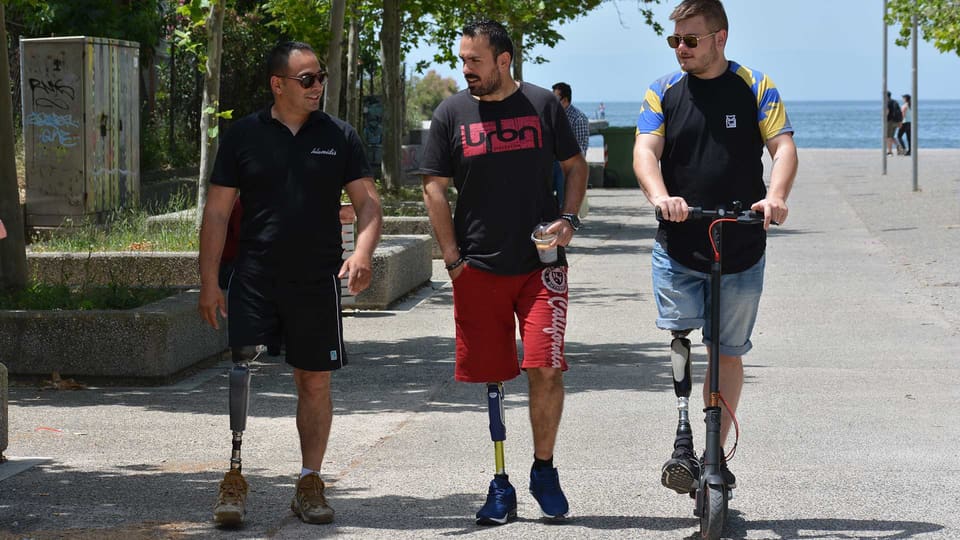
Prosthetic legs – above-knee (transfemoral) prostheses
Custom above-knee prostheses for amputation above the knee: from your first assessment and test socket to gait training and ongoing aftercare.
Below-knee and above-knee prostheses, knee and hip disarticulation, silicone partial-foot prostheses: the right prosthetic leg for your level of amputation and the way you live.
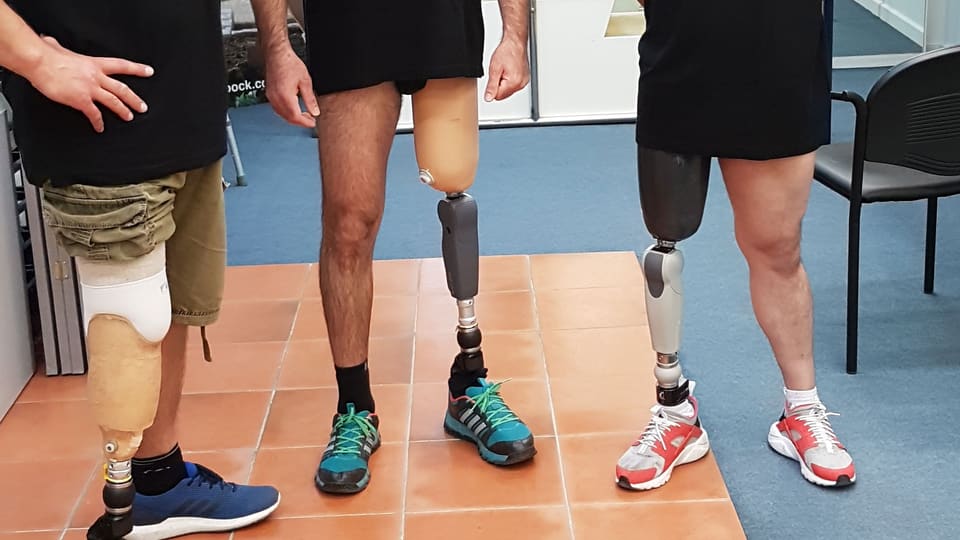
A prosthetic leg (sometimes called an artificial leg) is not an off-the-shelf product. It is built for your own body: for the shape of your residual limb, your weight, your strength and the way you live. In our workshop in Thessaloniki, Hlamidis Orthopaedic Center makes lower limb prostheses for every level of amputation, from partial-foot amputation to hip disarticulation, using components from leading manufacturers such as Ottobock and Össur.
After a Chopart or Lisfranc amputation, or the loss of toes, silicone partial-foot prostheses restore the shape of the foot and help with walking. Silicone is soft, kind to the skin and keeps its colour.
Below-knee (transtibial) amputation is the most common level. Below-knee prostheses consist of the socket, the suspension system and the prosthetic foot. Because the natural knee is preserved, users can often reach a high level of activity.
With knee disarticulation, weight is borne low down, on the femoral condyles, which makes walking and sitting more comfortable.
Above-knee (transfemoral) prostheses also have to replace the function of the knee. Depending on your activity level, we choose a mechanical, hydraulic or bionic microprocessor knee, such as the C-Leg or the Rheo Knee.
These are the most extensive amputations. A hip disarticulation prosthesis needs a socket that encloses the pelvis and an additional hip joint, such as Ottobock’s Helix 3D.
However advanced a knee or foot may be, if the socket does not fit properly the prosthesis will not be comfortable. That is why every socket is custom-made from a cast and tested before final manufacture. A silicone liner is worn over the residual limb and connects to the socket with a pin or a vacuum system, such as Ottobock’s Harmony or Össur’s Unity, for a secure fit all day long. For above-knee amputation we also offer M.A.S. anatomical sockets, which allow more comfortable sitting and free movement of the hip.
After amputation, the residual limb (sometimes called the stump) is often swollen. Special graduated compression socks help shape it so that the prosthesis fits better. Once the residual limb has healed sufficiently, we make a first, temporary prosthesis for the first few months and, once its volume has stabilised, the definitive one. You practise walking in the training area at our premises, and we work closely with your doctor and physiotherapist. Read our guide after amputation: the road to your first prosthesis.
For sporting activities there are dedicated prosthetic feet, such as Össur’s Cheetah foot. If you would like your prosthesis to have a personal style, UNYQ covers are 3D-printed in many designs and colours.
EOPYY (ΕΟΠΥΥ), Greece’s national health insurance organisation, reimburses people insured in Greece for each component of the prosthesis up to a maximum price, with a co-payment by the insured person of normally 25%; most components are replaced every 5 years. As an indication, according to Government Gazette (ΦΕΚ) B' 1079/2022, the maximum reimbursable price is €1,150 for a carbon above-knee or below-knee socket, €1,078 for an energy-storing (high-dynamic) foot and €555 for a below-knee or above-knee silicone liner, which is replaced every year. For a hip disarticulation or hemipelvectomy prosthesis the maximum price is €7,296. You will find a detailed example in our guide how much a prosthetic leg costs and the whole process on our EOPYY reimbursement page. The EOPYY information is correct as of the date this page was last updated (October 2026).
If you are not insured in Greece, EOPYY reimbursement does not apply; you can pay privately, and any cover depends on your own insurer’s rules. Contact us and we will give you the information you need for your case.
Custom above-knee prostheses for amputation above the knee: from your first assessment and test socket to gait training and ongoing aftercare.
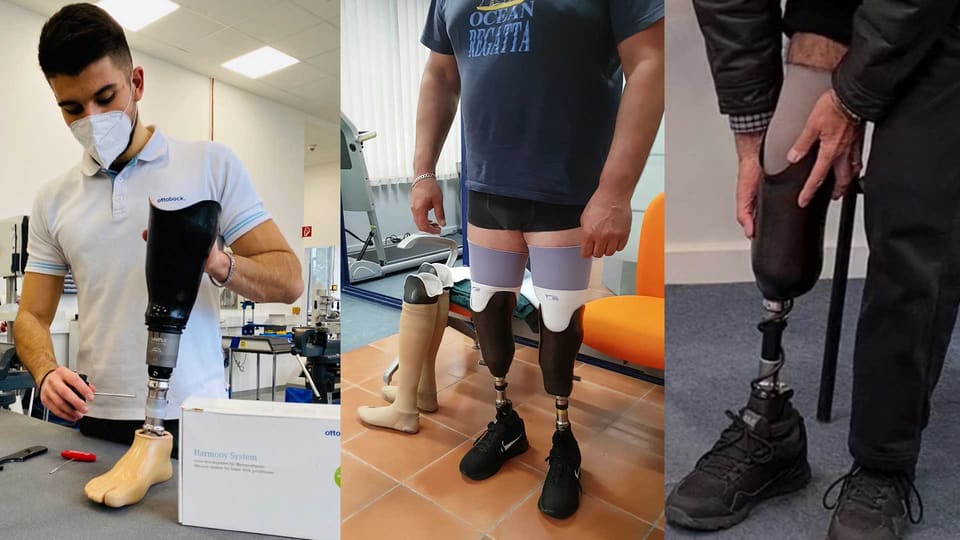
Modern below-knee prostheses with a custom-made socket, silicone liner and vacuum suspension systems for a secure fit all day long.
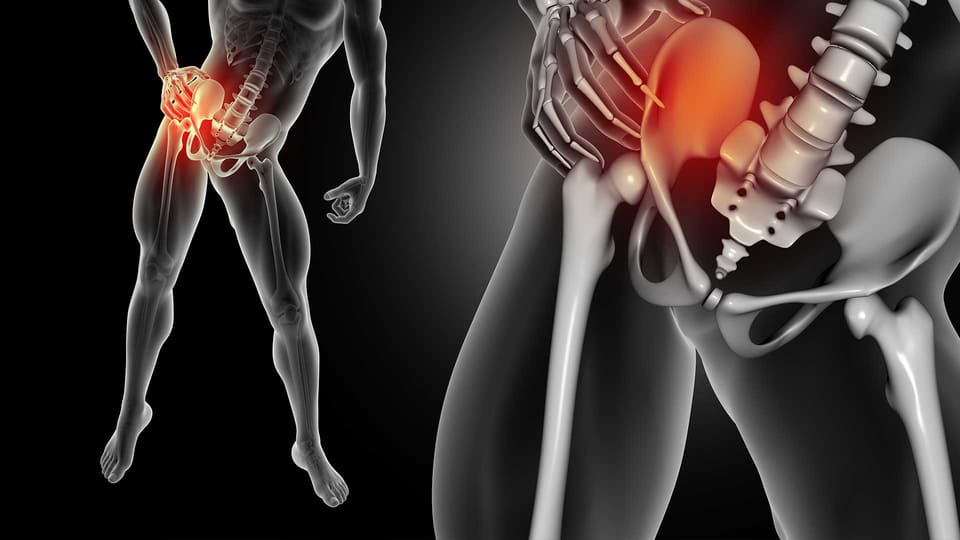
For hip disarticulation and hemipelvectomy we make the most complex lower limb prosthesis: a custom pelvic socket, prosthetic hip, knee and foot.
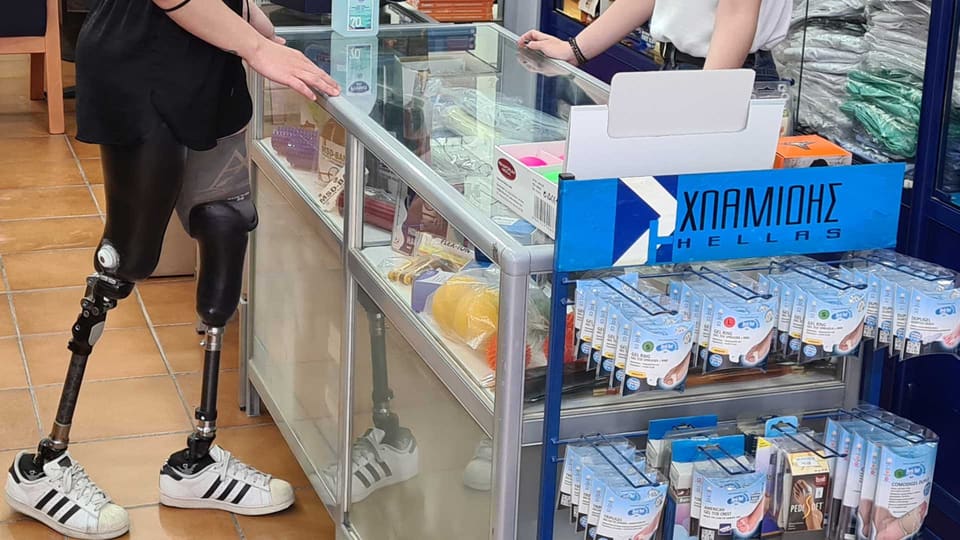
With knee disarticulation, the thigh bone is preserved in full. We design a socket that makes use of end-bearing on the residual limb for comfort when walking and sitting.
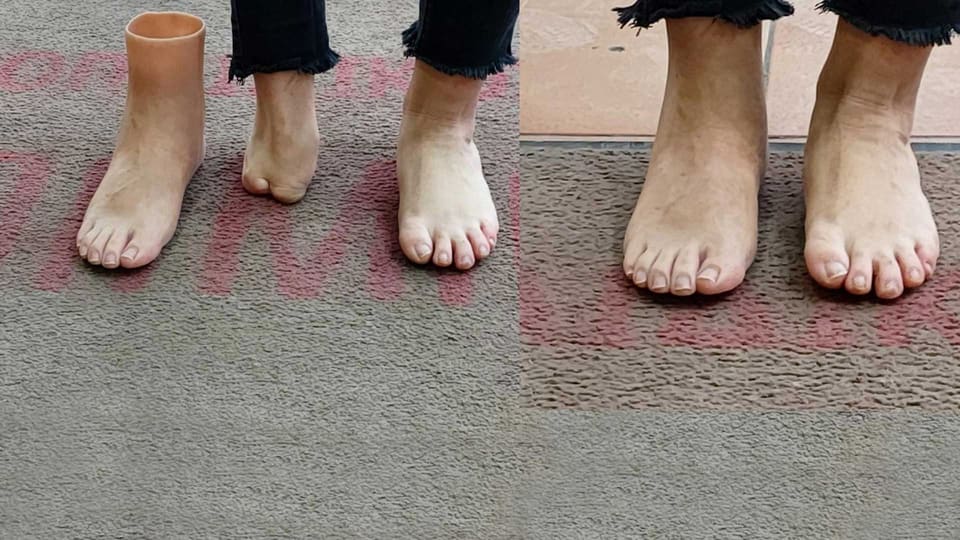
For partial-foot amputation we make custom silicone prostheses that restore the shape of the foot, protect the residual limb and fit inside your shoe.
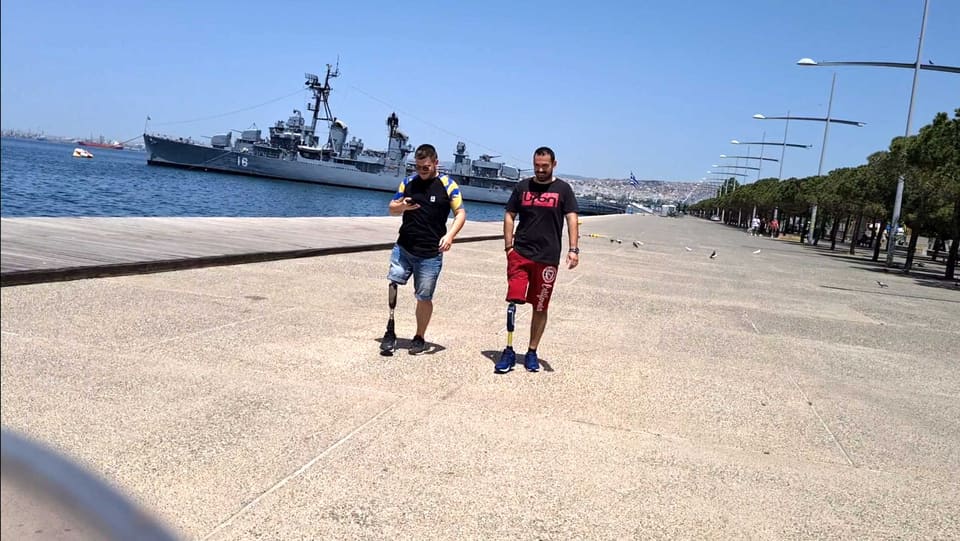
M.A.S. (Marlo Anatomical Socket) anatomical sockets for above-knee prostheses leave the buttock free, for more comfortable sitting, freedom of movement and a discreet look.
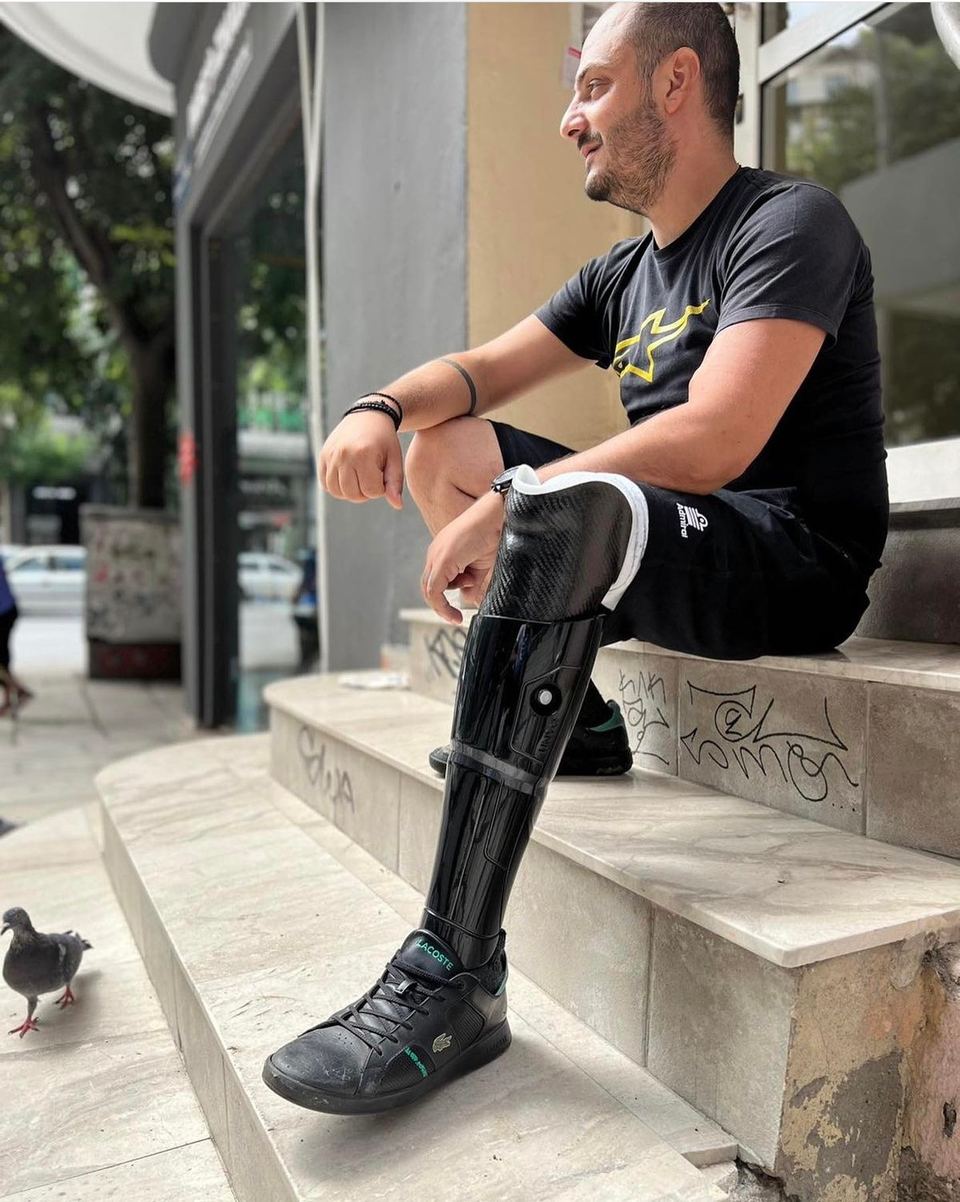
UNYQ covers are personalised, 3D-printed prosthetic covers that bring symmetry, protection and style to below-knee and above-knee prostheses.
The cost depends on the level of amputation and on the components: the type of socket, silicone liner, suspension system, knee and foot. A below-knee prosthesis is usually simpler than an above-knee one, while a bionic knee raises the cost considerably. After your assessment we give you an itemised proposal, with a calculation of the amount EOPYY covers.
Prosthetic rehabilitation usually starts several weeks after surgery, once the residual limb has healed sufficiently. The exact timing varies from person to person and is decided together with your surgeon. You are welcome to contact us before your operation too, so you know what to expect.
If you are insured in Greece, you need an electronic prescription from a doctor of the relevant specialty, with the diagnosis specified in the Government Gazette, and the prosthesis must be supplied by a contracted provider. We process the prescription and tell you from the start how much will be reimbursed and what your own contribution will be. See our EOPYY reimbursement page.
Yes, many prosthesis users go hiking, cycle, swim or run. Some sports call for a special foot or a separate sports prosthesis. Talk to us about your goals so that we can design your prosthesis accordingly.
We recommend a check-up at least every six months, and sooner if you notice pain, irritation or a loose socket. The volume of the residual limb changes, especially in the early period, and the socket needs adjusting accordingly. Regular care of your prosthesis and liner also helps them last longer.
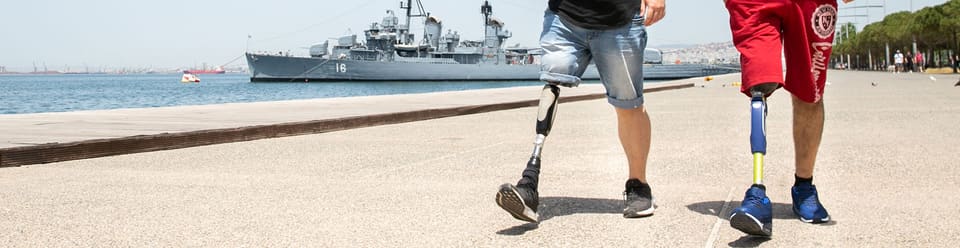
Prosthetic legs, arms, hands and fingers for every level of amputation, designed and made in our Thessaloniki workshop with Ottobock and Össur components.
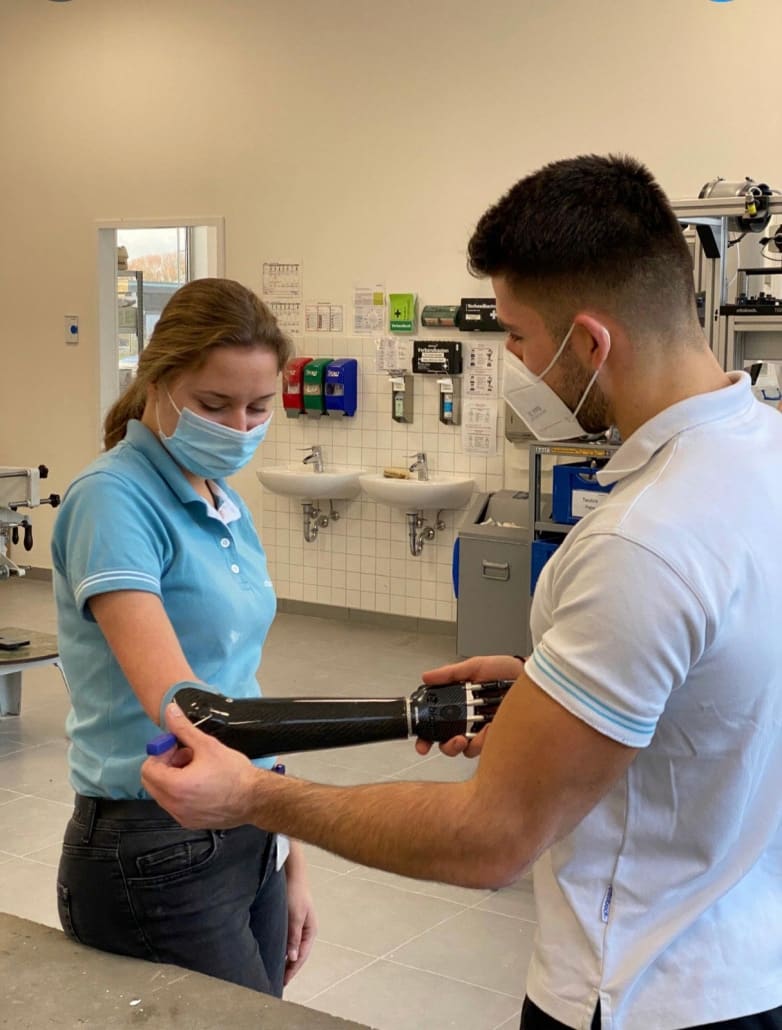
Microprocessor knees and feet from Ottobock and Össur that adapt to every step. Find out how they work, who they are suitable for and how the fitting process works.
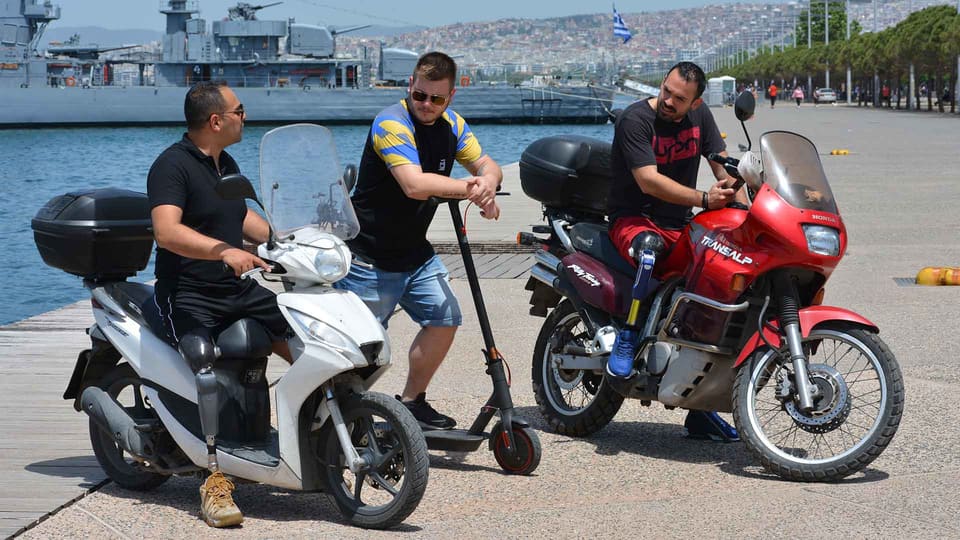
The price of a prosthetic leg is not a single number: it depends on the level of amputation, how active you are and the components. See what EOPYY covers and what is left for you to pay.
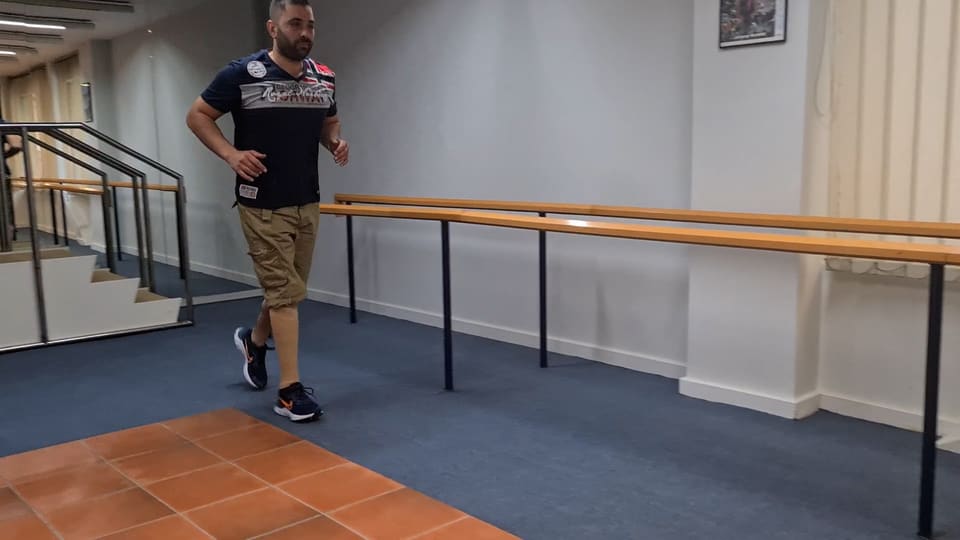
Amputation is not the end of the road. See, stage by stage, what usually happens on the way to your first prosthetic limb: healing, residual limb care, the prosthesis, walking and EOPYY.









Call us on +30 2310 282 894. We assess your needs and explain your options and EOPYY cover.
Settings are saved on your device. Accessibility statement